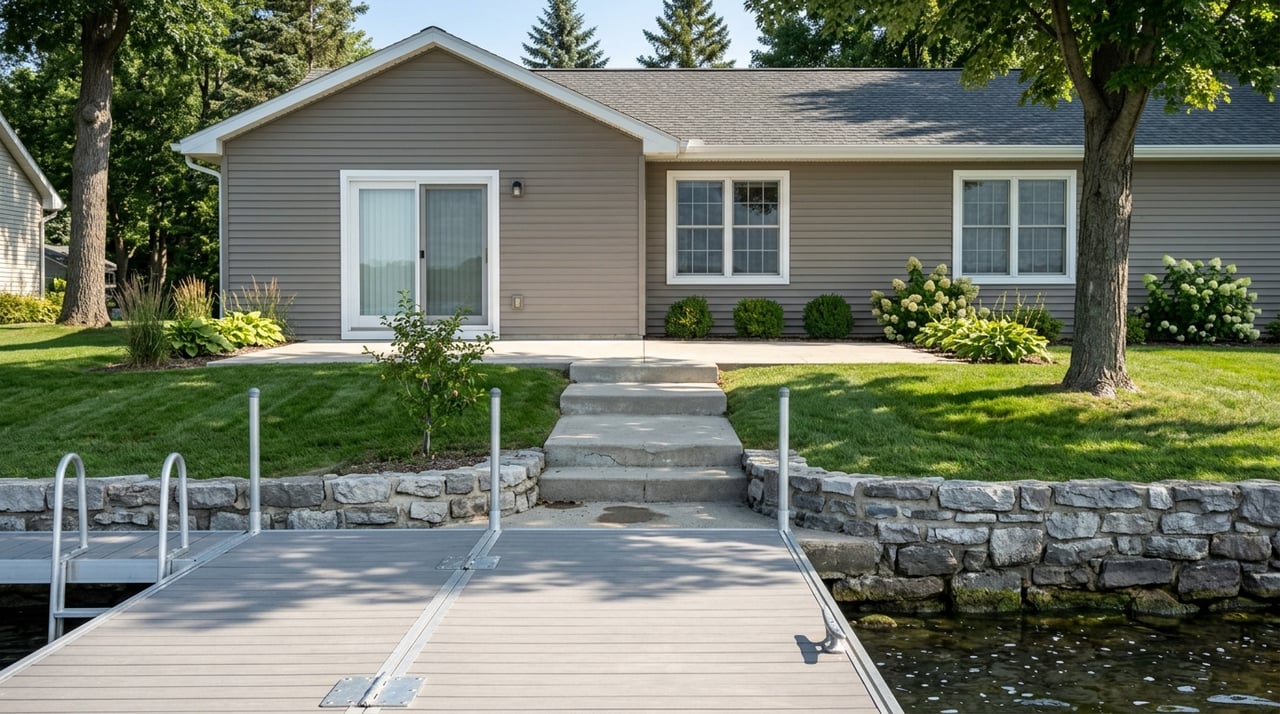
Lake Shannon Homes and Access for Buyers
May 28, 2026
May 28, 2026
If you are dreaming about lake living, Lake Shannon can look like a perfect fit at first glance. But in this Livingston County community, access, docks, boats, and day-to-day use come with specific rules that can shape how you enjoy the property. If you are thinking about buying here, it helps to understand what comes with the home, what the association controls, and what questions to ask before you write an offer. Let’s dive in.
Lake Shannon is a 262-acre lake community in Livingston County with a boating-oriented layout and a managed association structure. This is not the same as buying on an open-access shoreline where every property works the same way.
The Lake Shannon Association defines the community around the lake, adjacent property, and property with Lake Shannon privileges. Membership is tied to lots north of Faussett Road in Tyrone and Deerfield townships, which is one reason buyers should look closely at the exact parcel and the rights it conveys.
Deerfield Township planning documents describe Lake Shannon as an established lakefront area within the township’s suburban residential pattern. In practical terms, that means you are usually buying into a built-out lake subdivision with shared expectations, not just a house near the water.
At Lake Shannon, access is one of the most important details in the entire purchase. Two homes may be in the same community, but the rights attached to each parcel can be very different.
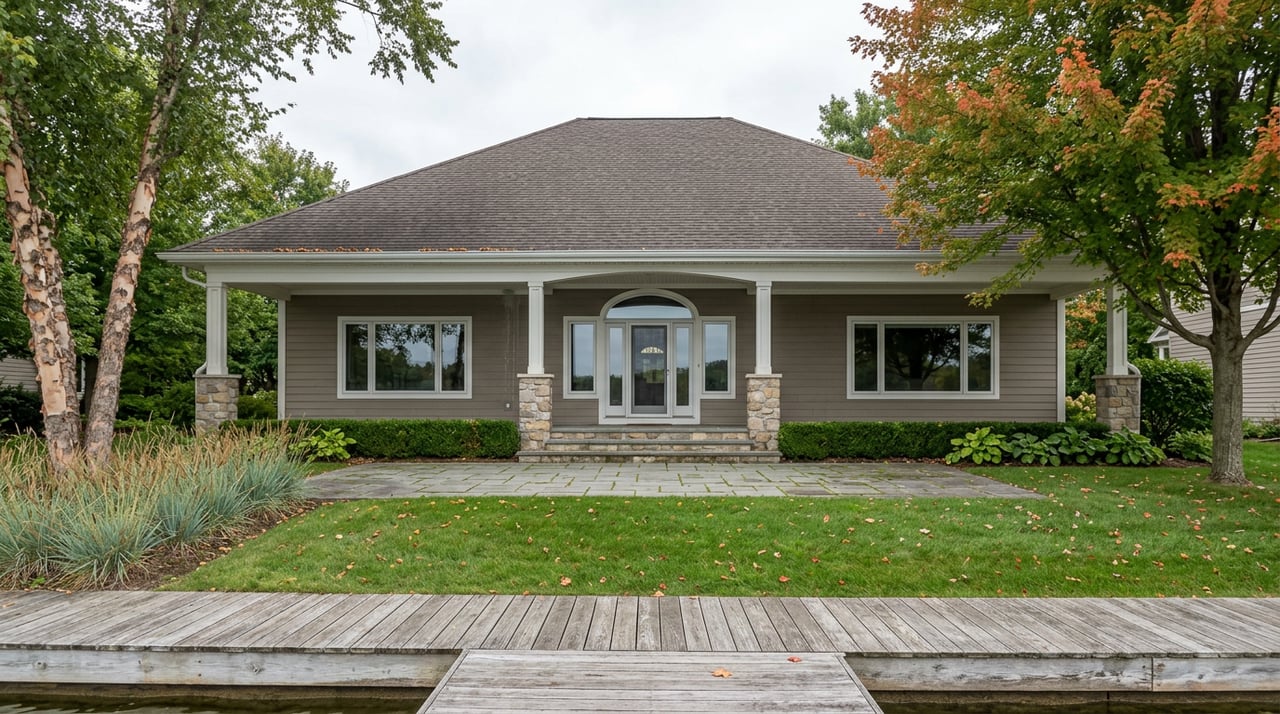
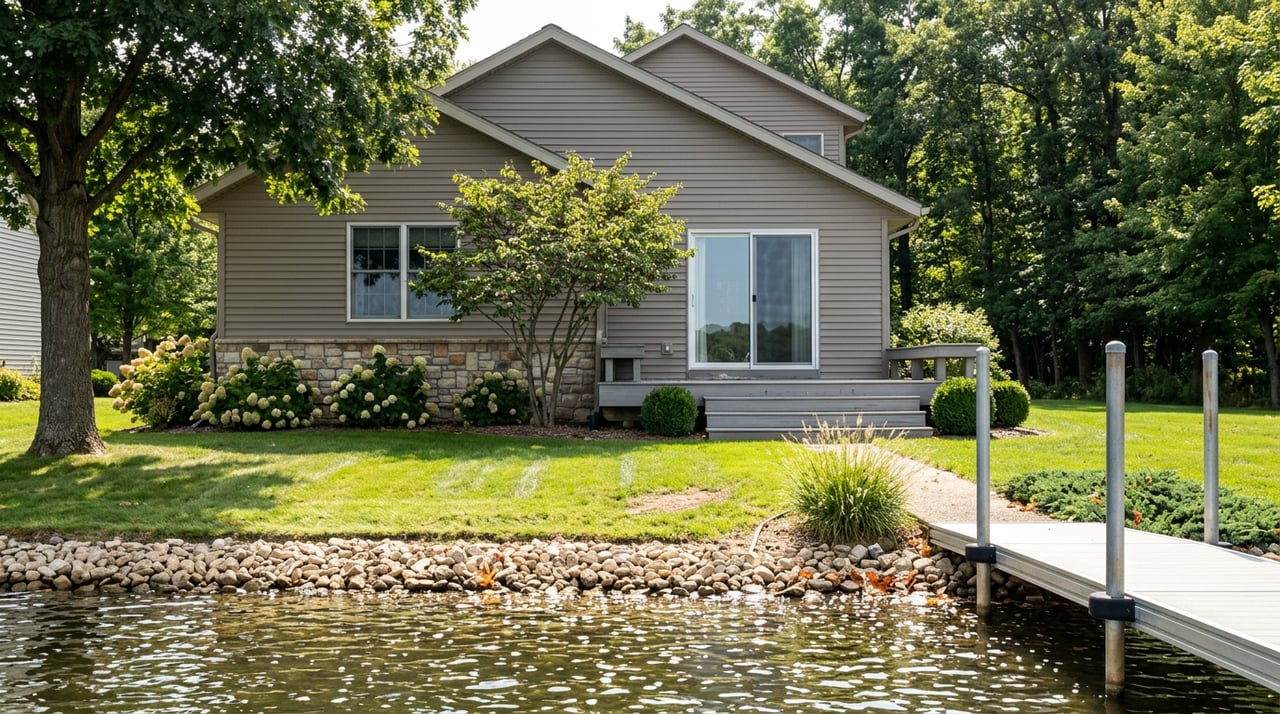
Some parcels are lakefront, while others are off-lake parcels with lake privileges. That distinction can affect how you launch, where you park, what keys or cards transfer, and how you use the lake over time.
The association also prohibits keyhole access. That means funnel-style shared frontage access is not allowed, which helps limit concentrated use at a single shoreline point and keeps access more structured than it may be on other lakes.
Before you move forward on a Lake Shannon purchase, make sure you ask for clear answers on:
These are not minor details. They directly affect how you and your household will use the lake.
Lake Shannon is set up for active boating, but it is also tightly managed. If boating is one of your top reasons for moving here, you will want to understand both the lifestyle and the restrictions.
All watercraft on Lake Shannon must have Lake Shannon decals. Only boats registered to property owners may launch or operate on the lake, and guest boats are not allowed.
Launch keycards remain association property, and replacement cards are handled by the association. That makes it especially important to confirm what access tools come with the home and how the current owner has been using the lake.
This setup works well for buyers who want a more controlled private-lake environment. It may be less ideal if you regularly host friends or family who expect to bring their own boats for the weekend.
Guest access is also limited under the bylaws. Guest passes are for day use only, are limited to four guests, do not include parking areas unless a parking pass is issued, and do not allow access to the spillway area or private lakeside property without permission.
A lot of buyers focus on the house first and the shoreline second. At Lake Shannon, the shoreline rules deserve just as much attention as the floor plan.
The association limits dock and mooring activity in several ways. No more than three motorized watercraft may be moored on a lot or building plot, and the bylaw definition of mooring is broad.
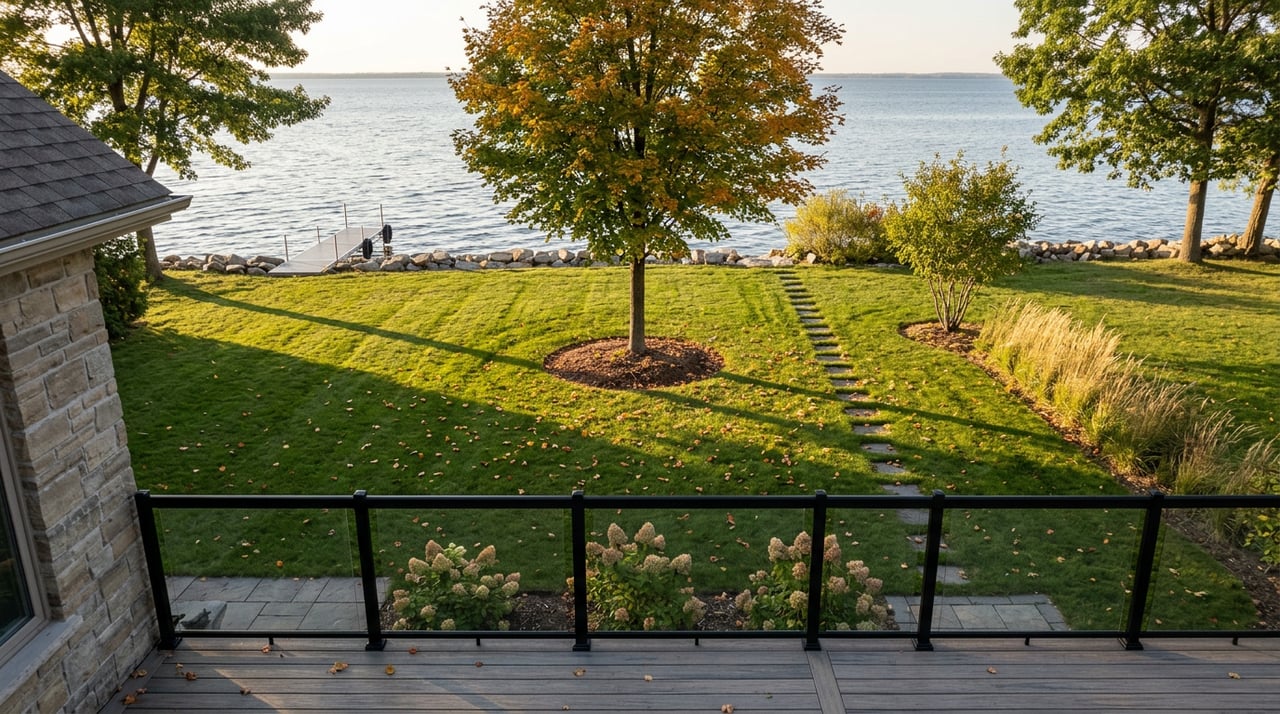
It includes shore storage, dock tie-up, buoy tie-up, anchoring, and lift stations. So if you are planning for multiple boats, seasonal storage, or a larger waterfront setup, you should confirm exactly what is permitted on that lot.
The bylaws also limit how far docks, rafts, or boats may extend from shore. They also prohibit bar docks and overnight mooring on parks and islands.
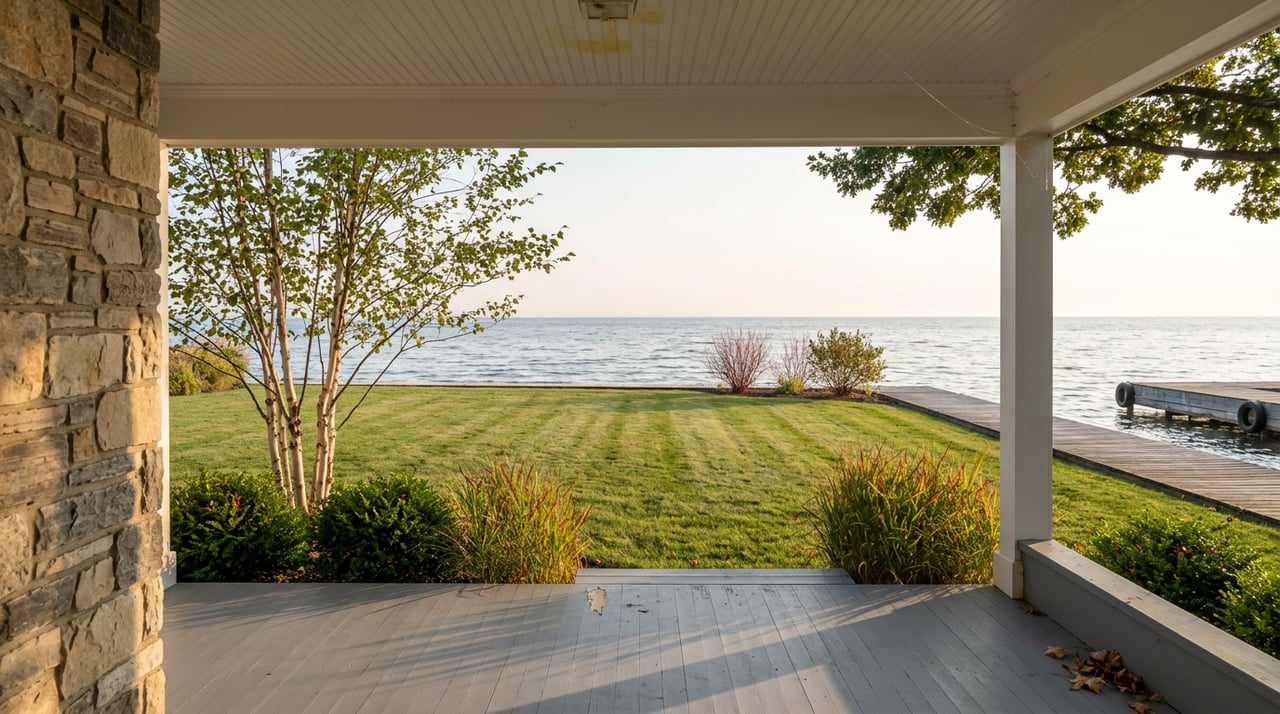
Even in the same lake community, your setup may depend on shoreline shape, frontage, and existing improvements. A property with a nice view may not support the dock arrangement you had in mind.
That is why I always recommend reviewing the property details and association materials carefully before you commit. For lake buyers, this kind of due diligence can prevent expensive surprises later.
Lake living is seasonal, and Lake Shannon’s water levels are part of that rhythm. If you are new to lake property, this is one of the easiest details to overlook.
According to the bylaws, the normal lake level is the spillway overflow lip. The winter level is about two feet lower, and the lake is lowered in late October and raised again after ice-out.
That seasonal change can affect docks, lifts, shoreline use, and how you plan for fall and spring. If a home includes dock equipment or a lift system, you will want to understand how the current owner handles seasonal adjustments.
Lake Shannon is not just scenic. It is set up for active recreational use.
The bylaws include a 36 mph speed limit along with specific skiing rules, including no skiing before 9 a.m. on Saturdays, Sundays, and holidays. There are also slalom-course limits that point to a lake culture built around organized water activity, not just casual floating and fishing.
The association also advises wake boats to stay farther from shore because the lake is shallow and sensitive to erosion. Michigan boating rules still apply as well, including state registration and watercraft operation requirements.
If you want an active private-lake setting with defined boating rules, Lake Shannon may feel like a strong match. If you are looking for a looser setup with fewer operating rules, it may feel more structured than expected.
Neither is better or worse. It simply depends on how you want to use the lake and how comfortable you are with community rules that shape that experience.
One of the most important things to understand about Lake Shannon is that you are buying into an actively managed community. That can be a real advantage for buyers who value organized upkeep and shared standards.
Official association pages show a Waterski Club, a Sportsmen’s Club, weed control, goose control, road and drain committees, and contracted trash and recycling service. Together, those details suggest a neighborhood with regular community involvement, ongoing maintenance, and shared expectations.
The association bylaws also allow for annual budgets, legal and administrative expenses, parks and island maintenance, dam maintenance, and special assessments. Recent association updates have included dredging and dam-inspection information, which tells buyers not to assume dues and project costs will always stay the same.
If you are planning to personalize the property after closing, be sure to review the approval process early. Lake Shannon has more exterior oversight than a typical suburban neighborhood.
The Architectural Control Committee requires approval before construction for projects such as new homes, additions, decks, seawalls, and similar work. That means even well-planned improvements may need review before you begin.
For buyers, this is not necessarily a drawback. In many lake communities, design controls help protect shoreline function and keep major exterior changes consistent with community standards.
When I help buyers look at lake homes, I always want the lifestyle to match the paperwork. At Lake Shannon, that means taking a close look at both the property and the association documents.
A smart buyer should ask:
These questions can help you compare homes more accurately. They also help you understand whether a property fits your goals before you are emotionally attached.
For the right buyer, Lake Shannon offers a lot to appreciate. You get a private-lake environment, an active boating culture, and a community structure that clearly defines how the lake is used.
Many buyers also like knowing the rules ahead of time. Clear expectations around boats, docks, guests, and exterior changes can make ownership more predictable, especially when you are investing in a lake property.
And because this is an established lake community in the Fenton and Livingston County area, buyers who want hyperlocal guidance often benefit from working with someone who understands how one lake can differ from the next. That local context matters more than most people realize.
If you are considering a home on Lake Shannon and want help sorting through access, dock rules, and the details that matter before you buy, I’d love to help. Reach out to Christine Champlin for a complimentary consultation.

Get assistance in determining current property value, crafting a competitive offer, writing and negotiating a contract, and much more. Contact Christine today.
Get In Touch With Christine To Learn More

3295 SILVER LAKE ROAD FENTON MI 48430