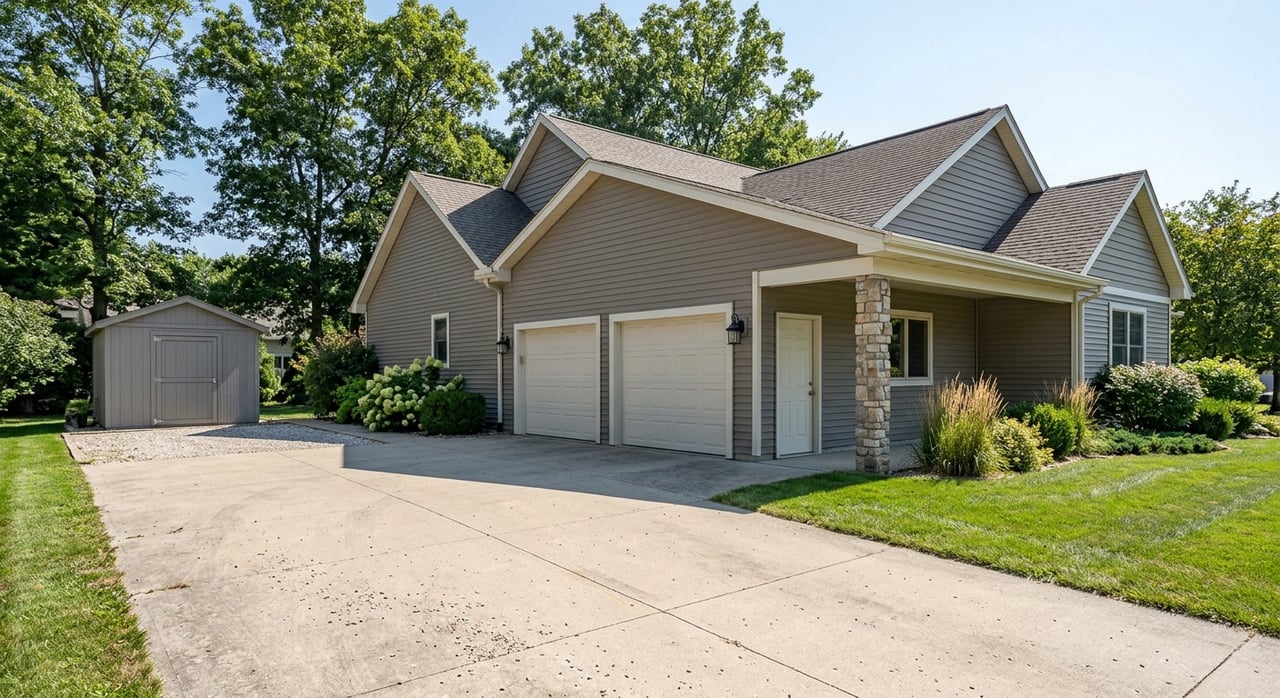
How to Buy a Lake Ponemah Home Remotely
June 25, 2026
June 25, 2026
Dreaming about a Lake Ponemah home while living states away can feel exciting and complicated at the same time. You may be wondering how to evaluate the lake, the house, and the buying process without making constant trips back and forth. The good news is that with the right plan, you can buy more confidently and avoid common surprises. Let’s walk through what matters most.
Lake Ponemah is in Fenton Charter Township in Genesee County, and buying here involves more than comparing bedrooms, baths, and price. With a lake property, you are also buying into shoreline conditions, water access, boating patterns, and upkeep that can look very different from a typical suburban home.
If you are purchasing from out of state, those details matter even more because you may not have time to uncover them through repeated visits. A smart buying plan helps you focus on the property itself and the way you will actually use it.
One practical detail remote buyers should understand early is public access. Fenton Charter Township identifies a Lake Ponemah public DNR access site with a boat launch, parking, and restrooms off North Road between Ponemah Drive and Rolston Road.
The township also notes that the public launches on Lake Fenton and Lake Ponemah are DNR property. In addition, the lakes are patrolled by the Genesee County Sheriff’s Office and the Michigan DNR. That means your lake experience is shaped not just by your lot, but also by nearby launch activity, seasonal traffic, and local enforcement.
Not every part of the water feels the same. Michigan DNR local watercraft controls list the canals and channels connected to Lake Ponemah, including the channel connecting Lake Ponemah to Squaw Lake, as slow-no-wake waters.
That can be a meaningful quality-of-life detail when you are buying from afar. If you care about quieter shoreline conditions, easier dock use, or a calmer feel for guests and recreation, this is the kind of local fact worth discussing before you write an offer.
With a lake home, the purchase price is only part of the story. The Consumer Financial Protection Bureau says your total monthly housing cost should include principal and interest, property taxes, homeowners insurance, flood insurance if required, utility costs, maintenance costs, and any HOA fees.
For an out-of-state buyer, this is especially important because a second home or seasonal property can come with ownership costs that are easy to underestimate. Before you get too attached to a listing, make sure your budget reflects the full monthly picture.
A clear timeline can save you stress and extra travel. For most out-of-state buyers, the process works best when you make each trip count and line up the most important decisions in the right order.
A practical roadmap for a Lake Ponemah purchase often looks like this:
When you cannot be there in person right away, a live virtual showing can help you narrow your options before booking travel. This is where local guidance matters. You want more than a quick video tour. You want someone to help you look closely at shoreline layout, outdoor access, storage, road approach, and the practical details of lake living.
For many buyers, this step helps separate homes that are merely attractive online from homes that truly fit the way they want to use the property. It can also help you decide whether a listing is worth an in-person inspection trip.
The CFPB recommends scheduling an independent home inspection as soon as possible, choosing an inspector who is honest and thorough, and attending the inspection if you can. It also explains that an inspection is different from an appraisal and that major repairs can affect closing.
If you are buying from out of state, this is often the best point for your first in-person visit. You can time that trip around the inspection period, ask questions on site, and get a better feel for the property before removing contingencies.
A standard inspection is important, but lake properties often need extra due diligence. If the home has private well or septic systems, Genesee County’s environmental health program offers services that include soil evaluations, residential water testing, mortgage evaluations, well permitting and evaluations, septic permitting, and engineered plan review.
The county’s well permit guidance also advises checking nearby well records and making sure a well is placed away from contamination sources such as septic systems and sewer lines. For you as a remote buyer, that means your inspection team may need to include more than a general home inspector.
One of the biggest mistakes out-of-state buyers make is assuming that an existing dock, hoist, seawall, or shoreline feature is automatically compliant. Michigan EGLE says a permit is required for a permanent dock or boat hoist on inland lakes and streams.
EGLE also says a seasonal private non-commercial dock or boat hoist that is removed at the end of boating season may not need a permit if it does not unreasonably interfere with others or water flow. Shoreline projects at or below the ordinary high-water mark require a permit, and EGLE guidance recommends natural shoreline treatments where possible.
Before you remove contingencies, confirm what is already in place and whether it appears to have been properly handled. If you are thinking about future changes, it is smart to understand early whether those plans may trigger EGLE review.
Insurance can shape affordability and closing timelines, especially on a lake property. The CFPB notes that standard homeowners insurance generally does not cover flood damage, and mortgages on homes in FEMA-designated Special Flood Hazard Areas generally require flood insurance.
That is why I recommend reviewing insurance quotes and flood-zone questions early, not at the last minute. You should also ask about any known history of water damage, drainage issues, or past claims that could affect your comfort level or costs.
If your Lake Ponemah purchase will be a second home, vacation home, or part-time property, tax treatment matters. Michigan Treasury says the principal residence exemption applies to an owner’s true, fixed, and permanent home and must be claimed with the local assessor.
Treasury also states that you should not file the exemption if the property is not your principal residence. If the home later becomes your main residence, that status can be revisited at that time.
If you plan to keep a boat, do not leave those details until after closing. Michigan DNR says most watercraft must be registered and display a decal, with registrations expiring on March 31 in the third year of issuance.
The state also requires boaters to remove drain plugs, drain water, and remove aquatic plants and debris before trailering a boat over land. If you will not live on the lake full time, it helps to have a plan for storage, launching, and hauling before move-in.
Closing from another state may be easier than you expect. Michigan allows remote notarization through audio-visual equipment, but it must be done on a state-approved remote vendor platform.
You do not have to be in the notary’s physical presence, which can make at least part of the process more convenient. That said, your lender and title company still determine which documents can be signed remotely and which may require wet signatures or mail-away handling.
If your goal is to buy a Lake Ponemah home without flying back and forth over and over, focus on making each visit purposeful. Most buyers can save time by using virtual tours first, then planning one trip around inspection and one around final walk-through if needed.
That approach keeps your decision-making grounded in facts while still giving you the chance to be present for the moments that matter most. It also creates space to coordinate inspections, insurance review, and waterfront due diligence in a more organized way.
Buying a lake home from out of state is not just about finding a beautiful property. It is about understanding how that home functions day to day, season to season, and year to year.
When you have someone local helping you evaluate access, lake rules, property details, and the timing of each step, the process tends to feel much more manageable. If you are thinking about buying on Lake Ponemah, Christine Champlin can help you build a clear plan, coordinate the details, and move forward with confidence.
Get assistance in determining current property value, crafting a competitive offer, writing and negotiating a contract, and much more. Contact Christine today.
Get In Touch With Christine To Learn More

3295 SILVER LAKE ROAD FENTON MI 48430