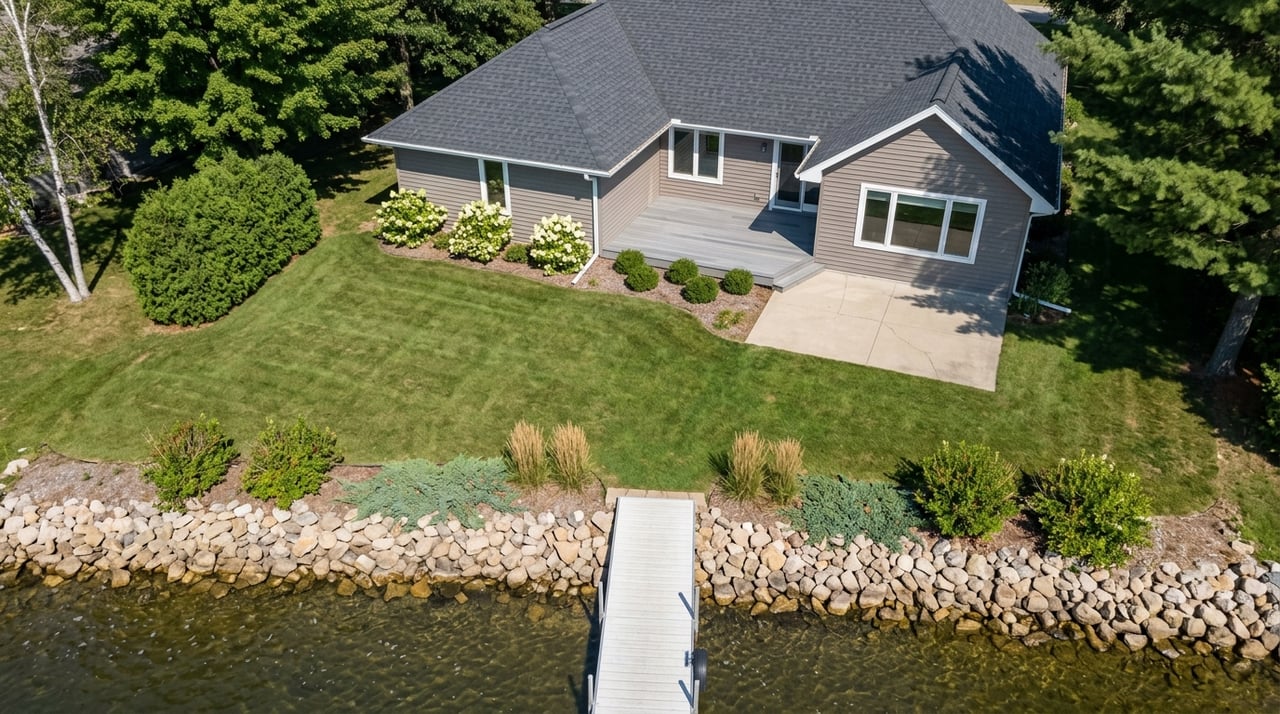
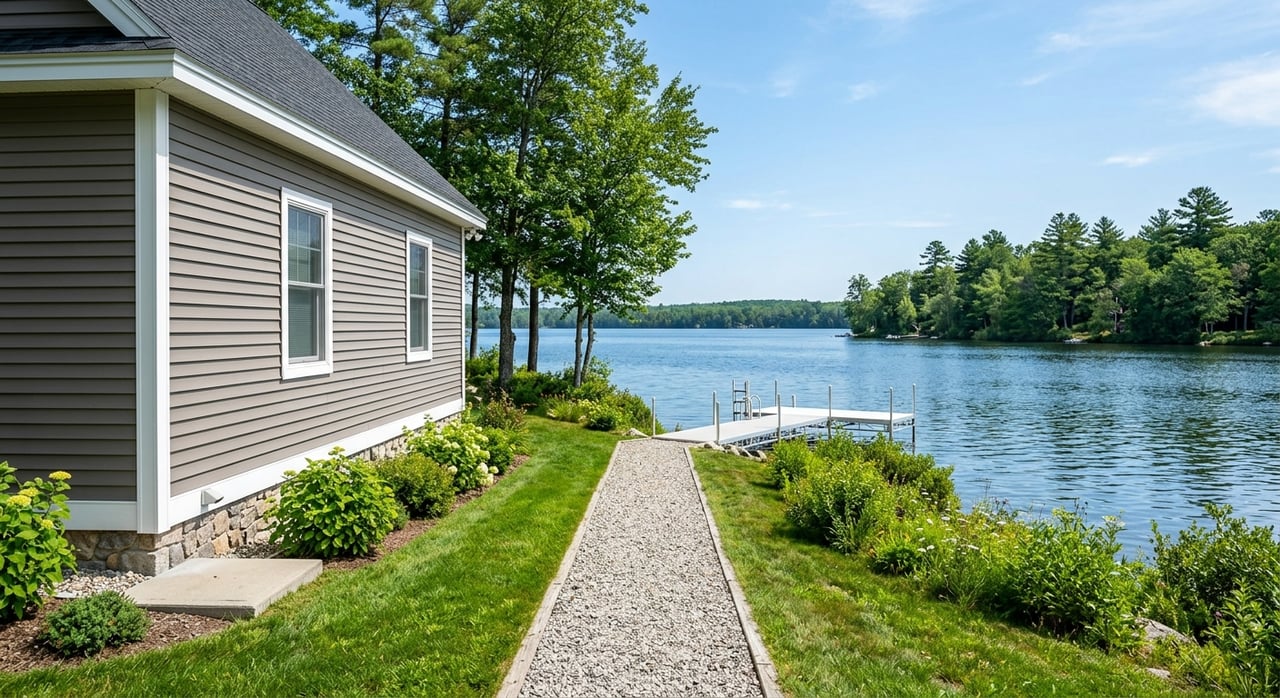
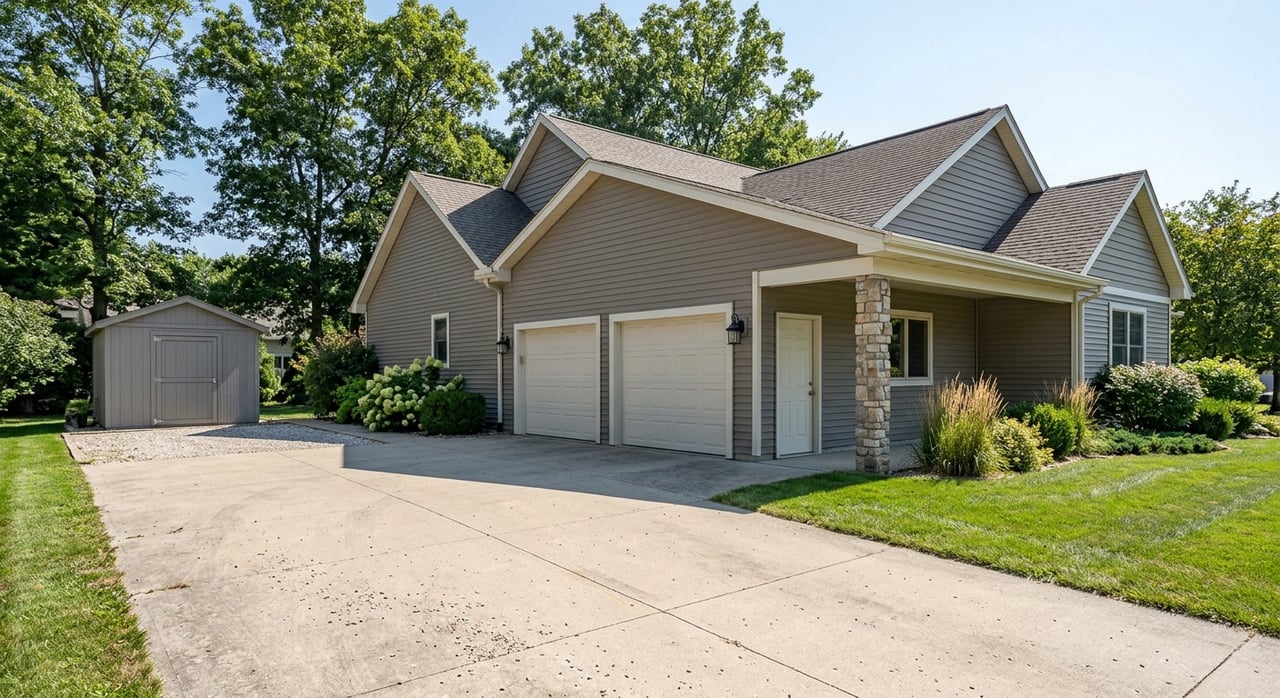
Shopping lake or luxury homes around Fenton and Lake Shannon, but not sure if your mortgage will count as “jumbo”? You are not alone. When prices edge past standard limits, the rules shift and lenders take a closer look at your finances and the property itself. In this guide, you will learn how jumbo loans work in Michigan, what Livingston County buyers should expect, and how to prepare for a smooth closing on a lakefront or higher-priced home. Let’s dive in.
What a jumbo loan means in Michigan
A jumbo mortgage is any loan that exceeds the conforming limit set by the Federal Housing Finance Agency. Conforming loans can be purchased by Fannie Mae or Freddie Mac. Loans above that limit generally cannot, which is why lenders apply tighter standards.
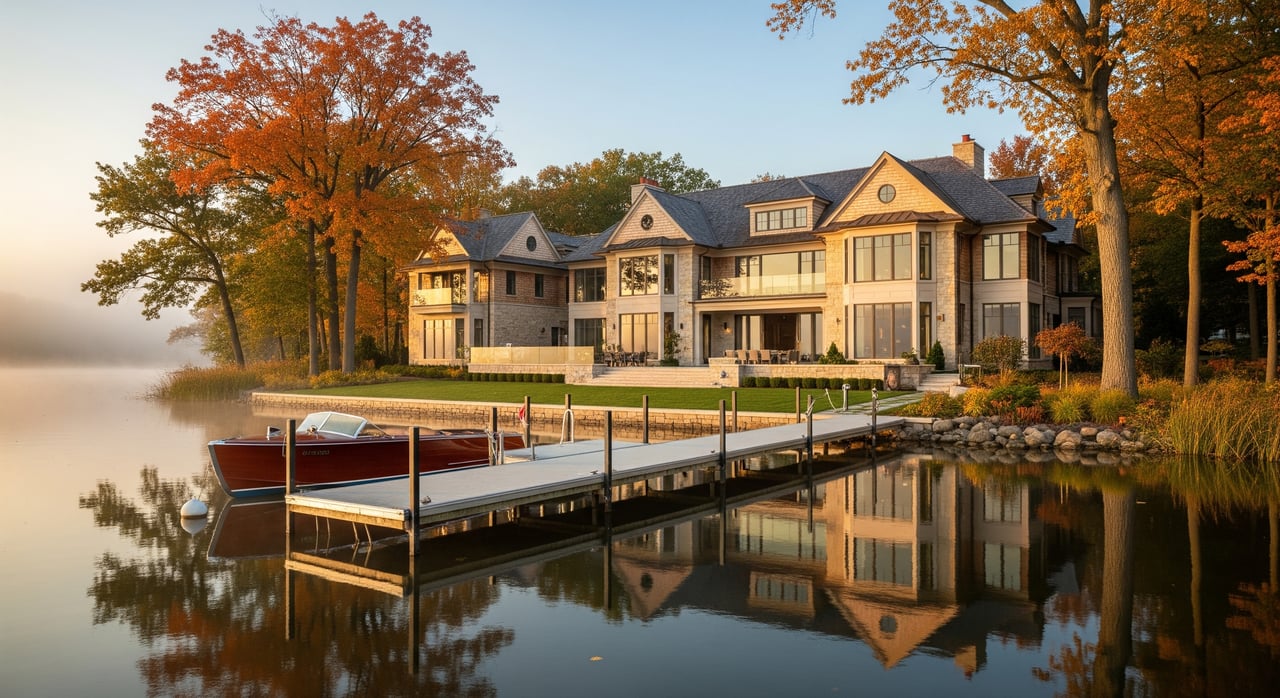
For 2024, the national baseline conforming limit for a one-unit home is $766,550. Livingston County is not designated as a high-cost area, so you should plan around the baseline unless that changes for the year you buy. Many lakefront properties in the Fenton and Lake Shannon area can exceed this threshold, which means you may need a jumbo loan.
When your Fenton search triggers jumbo
If your target price puts the loan amount above the conforming limit, your financing falls into the jumbo category. This is common with lake homes and properties that have premium frontage, recent updates, or larger lots. Before you tour, confirm the current FHFA limit for the year and have your lender estimate your loan amount based on your down payment so you know where you stand.
Down payment expectations
Jumbo financing usually asks for more skin in the game. Typical guidelines include:
- Primary residence: Many lenders accept 10 to 20 percent down for well-qualified buyers, though 20 percent is common.
- Second home or vacation home: Often 20 to 30 percent down.
- Investment property: Commonly 25 to 30 percent down or more.
Private mortgage insurance is generally not available above conforming limits. Lenders balance that risk with larger down payments and reserve requirements. A bigger down payment can also help you access better pricing and reduce monthly costs.
Credit, DTI, and cash reserves
Jumbo underwriting focuses on strong overall profiles.
- Credit score: Many lenders prefer 740+. Well-documented profiles in the high 600s to 700s may qualify at different pricing.
- Debt-to-income ratio: Many programs aim for 38 to 45 percent, with flexibility for excellent compensating factors.
- Cash reserves: Expect to show savings measured in months of principal, interest, taxes, and insurance.
- Primary residence: often 3 to 6 months of PITI.
- Second home or investment: often 6 to 12 months of PITI or more.
Reserves can include checking and savings, investments, or vested retirement assets, subject to lender rules. If you plan to use gift funds, ask your lender early so you meet documentation and seasoning requirements.
Income and documentation game plan
Full documentation is the norm.
- Salaried borrowers: Recent pay stubs, W‑2s, and two years of tax returns.
- Self-employed borrowers: Two years of personal and possibly business tax returns, plus a year-to-date profit and loss statement and a business balance sheet.
Some lenders offer non-QM or bank-statement jumbo programs for self-employed buyers who prefer an alternative to tax-return underwriting. These options typically carry higher rates or tighter terms, so it is smart to compare scenarios before you decide.
Appraisals for unique lake homes
Lakefront properties can be one-of-a-kind, which makes valuation more complex. Appraisers might need broader search areas for comparable sales or additional adjustments for waterfront premiums. Lenders can require a higher-level appraiser or even a second appraisal if comparable sales are thin. Plan for longer timelines and the possibility of a higher appraisal fee compared with a typical suburban home.
Rate and product choices
Jumbo rates move with market conditions and lender appetite. At times they trend slightly higher than conforming rates, and at other points they are comparable or even slightly lower. Your rate depends on loan size, credit, down payment, documentation type, occupancy, and whether you choose a fixed or adjustable loan.
Common options include:
- Fixed-rate jumbo: 30-, 20-, or 15-year terms offer payment stability.
- Adjustable-rate mortgages (ARMs): 5/1 or 7/1 structures can provide a lower initial rate if you plan to refinance or sell within the initial fixed period.
- Portfolio loans: Held by the originating lender, these can be more flexible with underwriting, but they may require larger down payments or carry different pricing.
- Non-QM or bank-statement programs: Helpful for self-employed profiles, with tradeoffs in rate and terms.
Rate locks are available, often with different fee structures than conforming loans. Because jumbo pricing can move quickly, talk with your lender about lock timing, potential float-down options, and appropriate lock length for your expected closing date.
Lakefront underwriting in Livingston County
Buying on Lake Shannon or other nearby lakes can add a few extra steps. Plan for the following early so you can keep your timeline on track.
- Flood zones and insurance: Some waterfront parcels fall within FEMA flood zones, which means lenders require flood insurance. Even if the home is not mapped in a high-risk zone, get quotes early so you understand premiums and coverage options.
- Septic and well systems: Many lake homes use private systems. Lenders and title companies may require proof of compliance with local health regulations, plus inspections or permits when applicable. Contact the Livingston County Health Department for records and requirements.
- Access, roads, and associations: Private roads and seasonal access raise questions about maintenance agreements and rights-of-way. If a property is within a lake association or HOA, lenders may ask about dues and association financials.
- Title, survey, and shoreline rights: Waterfront parcels can include riparian rights, easements, or dock permits that need verification. A recent survey and thorough title review help prevent surprises and protect value.
- Appraisal timing: Unique features and limited comps can extend the appraisal process. Ask your lender about expected timelines and whether a second appraisal is possible for your scenario.
Timeline and planning for closing
Jumbo files can involve more documentation and review, so build a realistic schedule.
- Pre-qualification vs pre-approval: A written pre-approval is stronger and can make your offer more competitive.
- Closing timeline: Plan for about 30 to 45 days or longer, particularly if you anticipate appraisal or title complexities.
- Lock strategy: Coordinate your rate lock with inspection timelines and appraisal expectations. Longer locks may be worth the peace of mind.
Early conversations with your lender help you identify gaps in documentation, reserves, and appraisal risk before you make an offer. That preparation can keep you in control during negotiations.
Smart offer strategy for jumbo buyers
When you write an offer on a lake home, think through the financing and property details that matter most in jumbo underwriting.
- Structure your contingencies: Keep inspection and appraisal timelines realistic, especially if the property is unique.
- Plan for reserves and cash to close: Confirm your down payment source and reserve documentation in advance.
- Align occupancy type: Primary, second home, or investment status affects down payment, reserves, and pricing. Be clear and consistent with your lender.
- Discuss appraisal approaches: If comparable sales are limited, ask how the appraiser will treat waterfront premiums and which broader areas could be used for comps.
Quick checklist for Fenton jumbo buyers
Use this as your pre-offer prep list:
- Confirm the current FHFA conforming limit for the year you plan to buy.
- Compare at least two lenders to review jumbo programs and pricing.
- Gather income and asset documents, including two years of tax returns if self-employed.
- Request a preliminary flood determination.
- Order well and septic inspections where applicable, and review county records.
- Get homeowner and flood insurance quotes tailored to waterfront coverage.
- Ask about appraisal timelines and whether a second appraisal could be required.
- Arrange a survey or title review focused on shoreline rights and easements.
- Budget for larger reserves and possible specialty inspection or appraisal fees.
- Plan for a 30 to 45+ day closing timeline.
Buying a Lake Shannon or Fenton-area home with a jumbo mortgage takes a bit more planning, but it is completely manageable with the right steps. Get clear on the loan limit, know your down payment and reserve targets, run rate and product comparisons, and tackle lake-specific items like flood, septic, and shoreline rights early. If you want a local, hands-on plan for a higher-priced or waterfront purchase, I am here to help you line up the details and move forward with confidence.
Ready to talk next steps or get a tailored jumbo game plan for a Fenton-area home? Reach out to Christine Champlin for a friendly, local consultation.
FAQs
What is the jumbo loan limit for Michigan buyers in 2024?
- The national baseline conforming limit for a one-unit home is $766,550 in 2024. Loans above that amount are generally considered jumbo. Check the current year if you plan to buy later.
How much down payment do I need on a Lake Shannon home?
- Many lake homes require 20 percent or more down, especially if used as a second home. Well-qualified primary buyers may find options at 10 to 20 percent down.
Are jumbo mortgage rates much higher than standard loans?
- Not always. Jumbo rates vary with market conditions and lender appetite. At times they are similar to conforming rates, and sometimes slightly higher or lower depending on your profile and loan terms.
Will I need flood insurance for a Fenton lakefront property?
- If the home is in a FEMA-designated Special Flood Hazard Area, lenders require flood insurance. Even if not mapped in a high-risk zone, getting quotes early is a smart move for budgeting and coverage.
What documentation should I prepare for a jumbo pre-approval?
- Gather government ID, recent pay stubs, W‑2s, two years of tax returns, complete asset statements, documentation for large deposits, details on other real estate owned, and gift letters if applicable.
How long does a jumbo loan take to close in Livingston County?
- Plan for 30 to 45 days or longer if the appraisal is complex, title work identifies shoreline items, or association documents need review.