
Understanding the Home Appraisal Process in Michigan
December 18, 2025
December 18, 2025
Buying or refinancing in Michigan and wondering what happens after the lender says an appraisal is required? You are not alone. The appraisal can feel mysterious, especially if you are selling or buying near Lake Fenton or anywhere in 48430 and Livingston County. In this guide, you will learn who orders the appraisal, how appraisers choose comparable sales, what local factors can move value up or down, and how to prepare so the process goes smoothly. Let’s dive in.
An appraisal is an independent estimate of market value that lenders use to confirm the home is solid collateral for a mortgage. For purchase loans, the lender places the order, often through an appraisal management company that assigns a licensed appraiser. You can also commission a private appraisal for other reasons, such as refinancing, estate planning, or divorce proceedings.
A typical single-family appraisal takes about 3 to 10 business days from order to delivery. The appraiser will schedule a visit, inspect the exterior and interior, measure living area, and note condition. They will research public records and recent sales, select comparable properties, make adjustments, and then deliver a written report that explains the value conclusion and the evidence behind it.
Residential appraisers rely most on the Sales Comparison Approach, which compares recent, nearby, similar homes. They may also use the Cost Approach for newer or unique homes and the Income Approach for properties with rental income. The final opinion reconciles all relevant approaches based on what best reflects how buyers in the market make decisions.
Appraisers look for homes a typical buyer would consider alternatives to your home. That usually means recent closed sales within the same neighborhood or submarket. Key traits include home style, gross living area, bedroom and bathroom count, lot size, age, condition, garage or outbuildings, and, for lake properties, type of water access.
For lake homes in the Fenton area, a lakefront home is ideally compared to other lakefront homes on the same lake. When the market is thin, the search can expand in time or geography, but the appraiser will explain why those choices make sense.
No two homes are identical. The appraiser adjusts each comparable sale to account for differences relative to the subject home. Typical adjustments account for living area, condition, lot size, finished basement, garage spaces, and notable features like a waterfront dock. The size of each adjustment is supported by local market evidence and not by generic rules of thumb.
Appraisers rely on multiple data points: local MLS sales data, public records from county assessor and deed offices, on-site measurements, and neighborhood interviews. They may also review builder specs, prior appraisals, or paired sales to isolate what specific features are worth in the current market.
Condition and updates matter. A functional layout with updated kitchens and baths, sound mechanicals, and a healthy roof will often compare favorably to similar homes that need work. In Michigan, basements are common, so appraisers look for signs of water intrusion, finished square footage with proper egress, and overall utility. If the home is on well and septic, the age and service history of those systems can influence marketability.
Lot size, shape, and access are key. For the Fenton area, proximity to commuting routes like I-75, M-59, and I-96 can appeal to buyers who commute to places such as the Warren, Troy, and Farmington Hills corridor. Floodplain status can affect insurability and lending, and recorded easements or private road agreements may impact value.
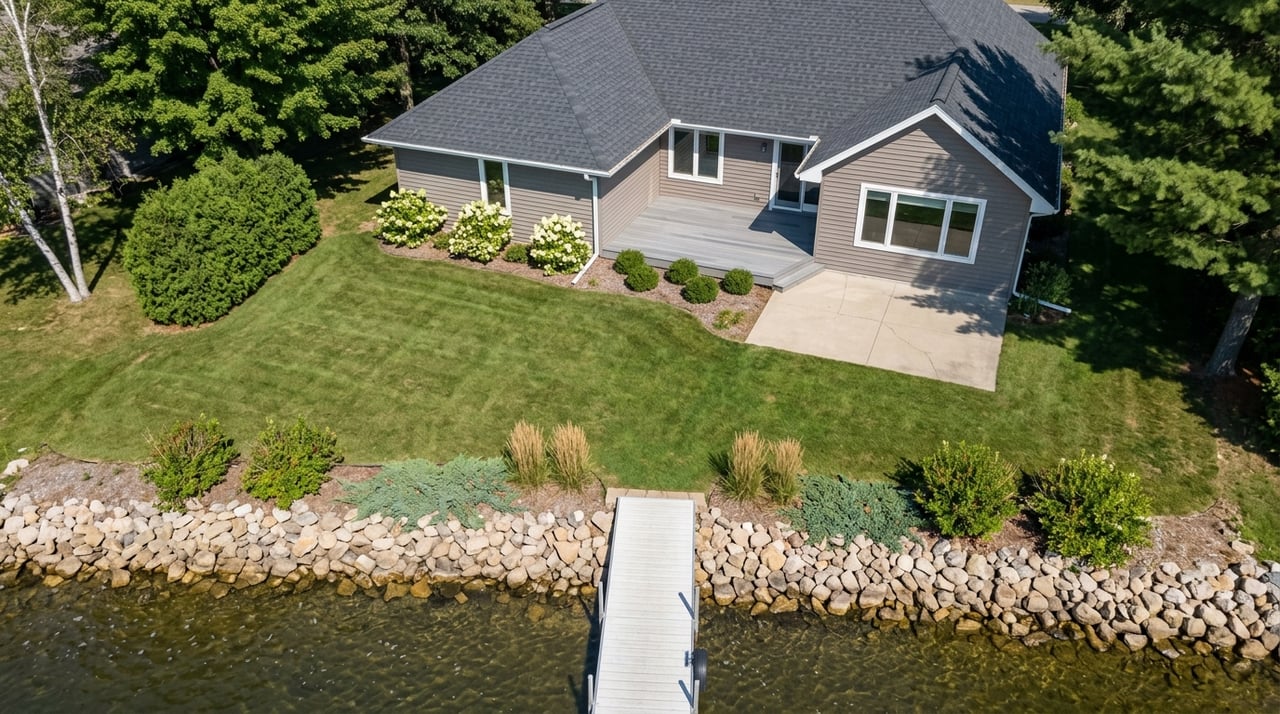
On Lake Fenton and nearby lakes, details at the shoreline can swing value. Appraisers consider frontage width, the type and usability of shoreline, water depth and clarity, dock or lift structures, and whether access is private, shared, or community-based. Documentation of riparian rights or permits for docks or seawalls helps confirm marketability and use.
Appraisers prefer lakefront-to-lakefront comparisons. If recent lakefront sales on Lake Fenton exist, they are the first choice. When sales are scarce, the appraiser may expand the radius to similar lakes or use paired-sale analysis to estimate the waterfront premium. If the report must include off-water comps, the appraiser will apply market-supported positive adjustments that reflect the additional value of frontage, view, and direct access.
These items help the appraiser verify details and support the selection and adjustment of comps.
Be available to answer factual questions. Share your documentation, including any recent closed sales you believe are relevant. After the report is delivered, review the facts. If something material is incorrect, work with your lender to submit a reconsideration of value with supporting evidence. Avoid contacting the appraiser directly about value since independence rules apply.
No matter which path you take, clear documentation and a calm, step-by-step approach will help.
Ready for guidance tailored to your home and your goals in 48430, Livingston County, or the surrounding lake communities? Reach out to Christine Champlin for a local, hands-on plan.



Get assistance in determining current property value, crafting a competitive offer, writing and negotiating a contract, and much more. Contact Christine today.
Get In Touch With Christine To Learn More

3295 SILVER LAKE ROAD FENTON MI 48430