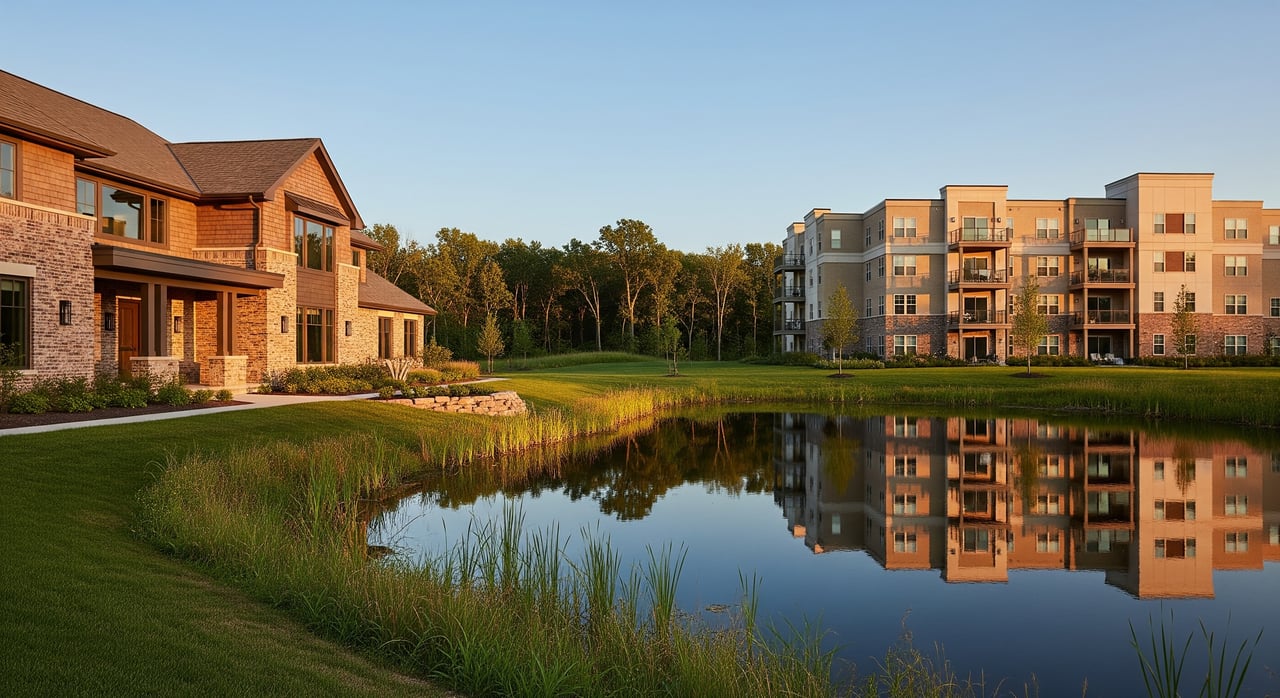
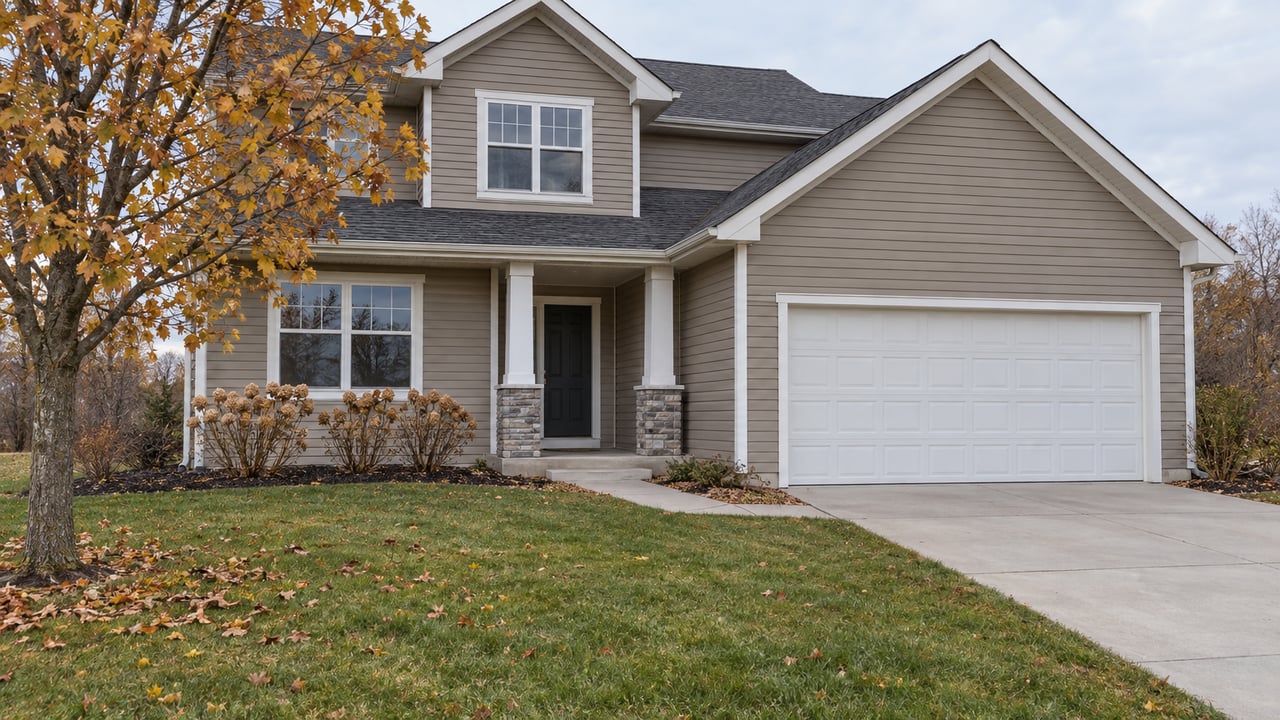
Thinking about living near The Preserve and torn between a condo or a single-family house? You are not alone. Many buyers in 48430 and nearby Livingston and Oakland County suburbs weigh day-to-day maintenance, HOA rules, privacy, and how golf-course living actually feels. This guide breaks down the differences in simple terms and adds a practical checklist for golf-course properties so you can choose with confidence.
Let’s dive in.
The Preserve area at a glance
Around Fenton’s 48430 zip, you will find a semi-suburban setting that draws people who commute to job centers like Troy, Warren, and Farmington Hills. Near The Preserve and other local courses, homes range from single-family properties backing to fairways to patio homes, carriage houses, townhomes, and condominium complexes. Some neighborhoods include age-restricted options.
One important point: confirm whether there is a homeowner association in addition to any course membership and whether the course is public, semi-private, or private. These details affect your costs, rules, and access to amenities.
Condo vs house: what you maintain
Condos and townhomes
- You typically handle your interior space, including finishes, appliances, and utilities. HVAC service can vary by association rules.
- The association usually maintains the building exterior, roof, siding, landscaping, lawn mowing, snow removal, common-area paving, and shared amenities. The exact scope depends on whether the property is a condominium unit or a fee-simple townhome inside an HOA.
Single-family homes
- You are responsible for the full exterior and interior. That includes roof, siding, gutters, landscaping, driveway, snow removal, and irrigation. If the home uses a well or septic, you handle those systems too.
What this means for your time
A condo reduces your direct involvement with exterior care. A house gives you control and privacy but adds time or vendor costs to keep everything running.
HOA fees, rules, and risk
Condo and some single-family communities have HOA fees. Look beyond the monthly number and review the association’s health and rules.
What to review in HOA documents
- Current dues and the history of increases
- Reserve fund balance and the most recent reserve study
- Operating budget and financial statements
- Any special assessments in the last 5 to 10 years
- Insurance coverage under the master policy
- Rental caps or occupancy restrictions
- Pet and parking rules
- Meeting minutes from the last 6 to 12 months
- Any pending litigation and the process for disputes and violations
Associations with low reserves or high owner delinquency face higher odds of special assessments. Smaller associations can be more vulnerable because they have fewer owners to share large repairs. Ask for the current budget, two recent years of financials, reserve study, and meeting minutes before you commit.
Insurance and liability differences
Condos
You will likely buy an HO-6 policy for interior improvements, personal property, loss of use, and personal liability. Pay close attention to the master policy. An “all-in” policy may cover more interior features than a “bare walls in” policy. That difference changes what you must insure personally.
Single-family homes
You will typically purchase an HO-3 policy that covers the dwelling, other structures, personal property, and liability.
Golf-course risks to consider
Homes near fairways face a higher chance of golf-ball strikes and foot or cart traffic near your yard. Ask your insurance agent about coverage for property damage and consider an umbrella policy for added liability limits, especially if you plan to host outdoors.
Financing and resale
Financing
Condos can involve extra lender reviews. Many loan programs look at the project’s owner-occupancy levels, reserve strength, and delinquency rates. Some buyers using FHA or VA loans may need condo project approval. Single-family financing typically focuses on the home’s condition and your credit, not on an association’s health.
Resale
Condos often attract downsizers and first-time buyers seeking lower maintenance. Investor interest can vary depending on rental caps and HOA rules. Single-family homes tend to draw buyers who want yards and privacy. In many suburban markets near major employment centers, single-family homes can command a premium when outdoor space is in high demand. Always rely on recent local comparable sales inside the same golf-course community for an accurate read.
Appraisals
Condo appraisals often rely on recent sales inside the same project or in very similar complexes. Limited comps can slow or complicate the process. For single-family homes, appraisers look to nearby lot-and-house comparables with similar features.
Privacy, noise, and lifestyle
Privacy
Single-family homes usually offer greater setbacks and private yards. Condos and townhomes may share walls or parking areas and place neighbors closer together.
Noise and activity
Golf-course maintenance can start early. Expect mower noise, carts, and occasional event traffic. A home that backs directly to a fairway experiences different activity than one near a tee box or clubhouse. Visit at different times and days to gauge your comfort level.
Views and amenities
Fairway-facing homes can have scenic views and stronger appeal. The tradeoff can be more foot traffic, pesticide exposure, or ball-strike risk. Decide how you plan to use your outdoor space and choose accordingly.
Typical floor plans near Fenton golf communities
Condo and townhome options
- Patio, carriage, or bungalow condos: often single-level with 1 to 2 bedrooms, roughly 800 to 1,400 square feet, and an attached or single detached garage. Popular with empty nesters.
- Stacked or mid-rise condos: 1 to 3 bedrooms, about 700 to 1,500 square feet. Some buildings have elevators, others are walkups.
- Townhomes: 2 to 3 bedrooms, about 1,000 to 2,000 square feet, usually with an attached garage and more house-like layouts.
Single-family homes
- Ranch or bi-level homes: about 1,200 to 2,200 square feet and up, with single-level living that appeals to many buyers.
- Two-story homes: about 1,600 to 3,500 square feet and up, often 3 to 5 bedrooms with 2 to 3 car garages and larger yards.
Golf-course property checklist
Use this checklist for any home near The Preserve or similar courses:
Site, drainage, and erosion
- Review lot grading and stormwater paths. Ask about prior standing water or erosion.
- Confirm the presence of sump pumps, stormwater easements, or shared drainage swales.
Pesticides and fertilizers
- Ask course management about treatment schedules and products. If you are sensitive, request material safety data sheets.
- Check whether HOA rules or easements allow course staff to enter private yards.
Golf-ball impact risk
- Look for protective screens, nets, or landscaping that buffers ball strikes.
- Ask sellers about prior damage and confirm your insurance coverage for this risk.
Landscaping boundaries and easements
- Confirm property lines and any maintenance easements along the fairway side.
- Clarify who maintains the turf strip between your lot and the course.
Noise, traffic, and events
- Ask about tournament schedules, event frequency, and typical maintenance hours.
- Visit at different times to assess noise and parking.
Inspection focus
- Condos: check the building envelope maintenance history, reserve studies, and who pays for specific components. Inside the unit, review HVAC and water heater age.
- Single-family homes: focus on roof, gutters, drainage, well and septic or sewer, irrigation, and boundary markers.
Buyer steps that work in 48430 and nearby
Steps for any property type
- Get a written pre-approval from a lender before you shop.
- Review recent comparable sales in the same neighborhood or condo project.
- Request seller disclosures and research the property’s local history.
- Hire a qualified home inspector. Add septic, well, pest, or roof specialists as needed.
Condo-specific steps
- Obtain CC&Rs, bylaws, the current budget, reserve study, insurance certificate, meeting minutes, financial statements, and a list of special assessments or litigation.
- Confirm occupancy and rental rules, including any short-term rental restrictions.
- Ask your lender about the condo project’s eligibility and any FHA or VA needs.
- Request delinquency data to see how many owners are behind on dues.
Single-family-specific steps
- Ask for service records for roof, HVAC, well and pump, and septic maintenance.
- Obtain a survey if available and confirm lot lines and easements.
- Check for shared maintenance agreements with neighbors for things like driveways.
Is a condo or a house a better fit?
Use this quick fit guide to match your priorities:
- Low maintenance and predictable services: you may prefer a condo or townhome.
- Downsizing with single-level living: consider patio or carriage-style condos, or ranch homes.
- Social amenities and simpler upkeep: condo communities often fit this goal.
- Yard space for pets or hobbies: a single-family home likely fits better.
- Maximum privacy and autonomy: lean toward a single-family home.
- Flexibility for renovations and outdoor projects: single-family typically offers more freedom.
Local info sources to tap
- MLS data in Genesee, Livingston, and Oakland counties for current listings and recent sales near The Preserve and similar communities.
- County assessors in Genesee and Livingston for tax histories and parcel maps.
- HOA documents and management disclosures for project-specific rules and budgets.
- Course staff for event calendars, maintenance schedules, and pesticide programs.
- Lenders and insurers who know condo financing and golf-course risks.
- Michigan Condominium Act for state-level rules, Community Associations Institute for HOA best practices, and HUD or FHA guidance for condo project approval.
Final thoughts
There is no one-size-fits-all answer. Condos near The Preserve can offer lower day-to-day maintenance with shared amenities, but you need to review HOA health and rules closely. Single-family homes provide privacy, control, and outdoor living, along with full responsibility for upkeep. Golf-course living adds unique questions about drainage, chemicals, noise, events, and ball-strike risk. With the right due diligence, you can find a great fit for how you want to live.
If you want a local, low-pressure walkthrough of current options near The Preserve and across 48430 and nearby suburbs, reach out to Christine Champlin. We will help you compare real properties, review HOA documents, and plan your next steps with confidence.
FAQs
What does an HOA fee usually cover in Fenton-area condos?
- Many associations cover exterior building maintenance, roofs, landscaping, lawn care, snow removal, common-area paving, and shared amenities, while you cover interior items and utilities. Always confirm the exact scope in the documents.
How do FHA or VA loans work for condos near The Preserve?
- Some loans require condo project approval and review of the association’s reserves, owner-occupancy, and delinquency rates. Ask your lender to confirm eligibility early in the process.
Are errant golf balls a common issue for fairway-facing homes?
- Homes near fairways face higher ball-strike risk. Look for protective features, ask sellers about past damage, and discuss coverage options with your insurance agent.
What should you ask about drainage on golf-course lots?
- Ask about past standing water, erosion control, sump pumps, and any stormwater easements or shared swales. Visit after rain if possible to see how water moves.
How does resale differ between condos and single-family homes in 48430?
- Condos often appeal to downsizers and first-time buyers, while single-family homes draw buyers seeking yards and privacy. Look at recent local comps inside the same community for the clearest picture.
Which documents should you review before buying a condo in Michigan?
- Review CC&Rs, bylaws, the current budget, reserve study, insurance certificate, recent meeting minutes, financial statements, special assessment history, and any pending litigation.