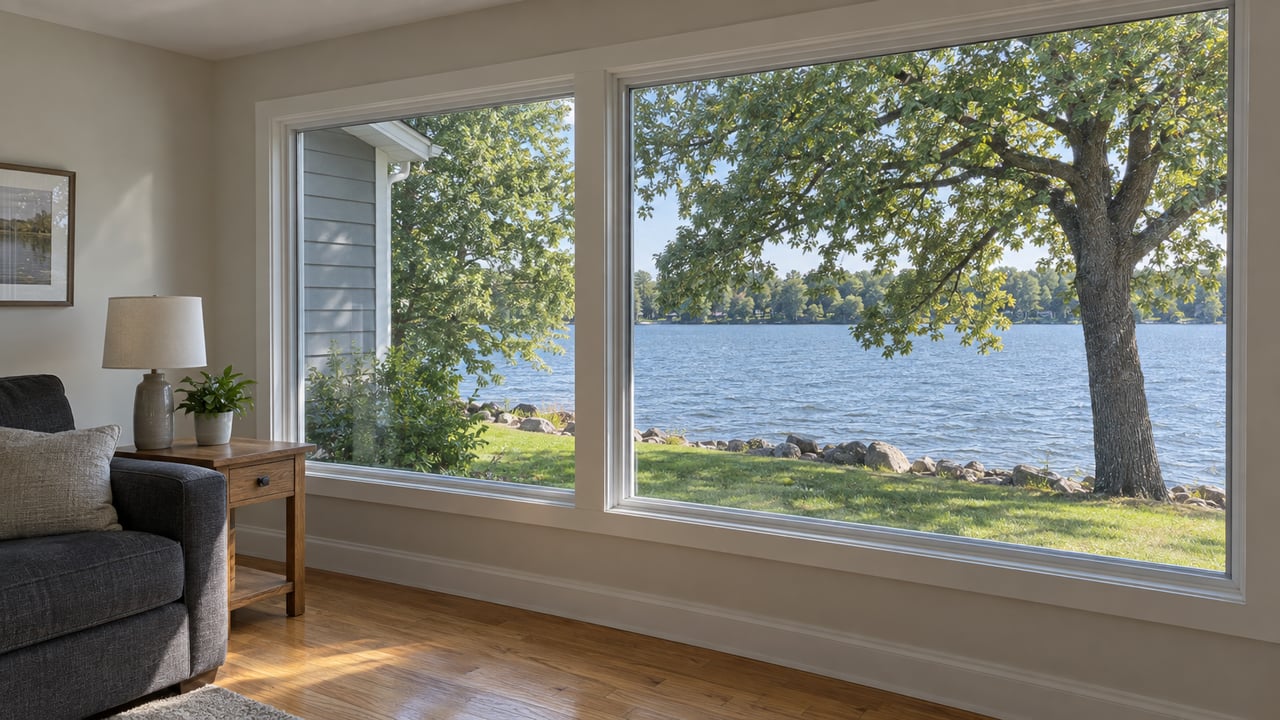
Buying Lake Fenton Waterfront: Dock and Seawall Permit Rules
October 1, 2026
October 1, 2026
Buy a house in most subdivisions around Fenton and the local government is where you go for almost everything. Setbacks, fences, additions, tree removal near the road. On Lake Fenton, that assumption breaks the moment you reach the water's edge. Fenton Township's own website states plainly that docks, boardwalks, seawalls, and beach sanding are not permitted or regulated through the township office at all. Many of those projects require a permit from the state, through the Michigan Department of Environment, Great Lakes, and Energy.
I've watched this catch people off guard more than once. A buyer closes on a lake house, budgets for a new seawall the way they'd budget for a new fence, and calls the township for a permit application. The township gives them a phone number instead: the EGLE Assistance Center, at (800) 662-9278. That's not a bureaucratic inconvenience so much as a signal of how Lake Fenton actually works. The shoreline runs on a different set of rules than the rest of the property, and almost none of those rules originate locally.
The list of shoreline work that requires an EGLE permit is longer than most buyers expect: new seawalls, seawall replacements, dredging below the ordinary high water mark, placing sand or fill waterward of the shoreline, and any dock or boat hoist that stays in the water year round. Seasonal docks placed for private, noncommercial use are the one exception that doesn't need a permit, as long as they don't interfere with navigation or water flow for others.
The Lake Fenton Property Owners Association, which has been fielding dock questions from lakefront owners for decades, puts it simply on its own FAQ page: seawalls need a permit from the state, and the actual disputes that come up on this lake almost always trace back to the same three things. A dock placed so it blocks a neighbor's view or their ability to dock their own boat. A dock that extends far enough past the neighbor's that it interferes with boat traffic. And a seawall change made to support a dock without going through the permit process first. There's no rule at all governing dock lights, for what it's worth, and if you leave a dock in the water over winter you're simply betting the ice won't take it out during spring thaw. It only takes a day for that bet to go wrong.
The state's presence on this lake isn't limited to permits. The Michigan DNR keeps officers on the water most weekends all summer, stocks the lake with walleye, and oversees the public boat launch. EGLE handles the environmental side: seawalls, invasive species, weed control. The township's role, in practical terms, is smaller than the address on your closing documents would suggest.
The Lake Fenton Property Owners Association has a membership program. Dues run $25 for a one year membership or $70 for three years, and the association depends entirely on those dues plus volunteer board members to fund its work: monitoring water quality, consulting on weed control, and running the social calendar that includes Fireworks and Lights on the Lake. Meetings happen the second Tuesday of the month at the Fenton Township Hall, and by Zoom, every month except December.
The lake's invasive weed treatment program is run through a vendor the association has worked with for years. The Lake Fenton Property Owners Association puts the cost at about $56 per year per riparian lot. It's a small number on its own, but it's also a cost that a standard listing sheet has no reason to surface.
| Recurring cost | Who collects it |
|---|---|
| Property tax | Genesee County |
| LFPOA membership | Association |
| Shoreline permit fees | EGLE, per project |
Lake Fenton's water level isn't managed by guesswork or seasonal adjustment. It's fixed by a circuit court order under Michigan's Part 307 inland lake levels statute, maintained through two separate physical control structures, one at Crane Road and one at Swanee Beach, both regulated by the Genesee County Drain Commissioner. A "normal level" set under Part 307 is defined by law as the level that best protects public health and safety, preserves natural resources, and protects the value of property around the lake. Changing it, or repairing either structure, requires an EGLE permit before any construction begins.
For a buyer, the practical upside is real. A legally fixed level means you can plan a dock height, a seawall elevation, or a boathouse floor against a number that doesn't drift year to year the way it might on a lake without a court-ordered level. The tradeoff is that the number isn't something a homeowner, or even the township, can adjust informally. It took a court proceeding to establish, and it would take another one to change.
Here's the piece that surprises buyers coming from other Michigan lakes more than anything else on this list. Michigan courts have ruled, in Persell v. Wertz and again in Holton v. Ward, that artificial lakes don't automatically carry the same riparian rights that natural lakes do. That distinction has left waterfront rights genuinely unsettled on some impounded Michigan lakes, the kind created by damming a creek or a river to form a millpond.
Lake Fenton doesn't have that problem. It's documented as an 845 acre, 95 foot deep natural spring-fed kettle lake, meaning the standard bundle of riparian rights applies without the legal uncertainty that follows some artificial lakes in the state. According to Willis Law, those rights include access to the water from your land, the right to install and maintain a dock anchored to the lakebed, reasonable use of the water for swimming and boating, and the right to any gradual accretion of shoreline over time. None of those rights are unlimited. All of them are still subject to the same EGLE permitting rules covering docks, seawalls, and dredging. But the underlying legal footing is solid in a way that isn't guaranteed on every lake in the region, which is worth knowing if you're comparing Lake Fenton against a different Michigan lake where the natural-versus-artificial question hasn't been settled the same way.
Can I replace an existing dock in the same footprint without a new permit? Seasonal docks placed for private noncommercial use generally don't require a permit, but any seawall work supporting that dock does. Check with EGLE before starting either project.
Who do I actually call if a neighbor's dock is causing a problem? Not the township. Complaints about permit violations go to EGLE's Assistance Center, and disputes over navigation or view corridors are the kind of thing the property owners association has fielded for years and can point you toward the right process.
Lakefront ownership on Lake Fenton comes with real legal footing and a level that won't drift on you. It also comes with a set of authorities that don't map onto where you'd normally look. Knowing which agency actually answers the phone, before you're the one making the call, is the difference between a smooth first year on the water and a surprised one.
If you're evaluating a specific waterfront parcel on Lake Fenton and want to know what permits, assessments, or association history attach to that address before you write an offer, I'm happy to walk through it with you. Reach out to Christine Champlin for a complimentary consultation.
This article is general information, not legal, tax or financial advice. Consult a qualified professional about your situation.
Get assistance in determining current property value, crafting a competitive offer, writing and negotiating a contract, and much more. Contact Christine today.
Get In Touch With Christine To Learn More
3295 SILVER LAKE ROAD FENTON MI 48430